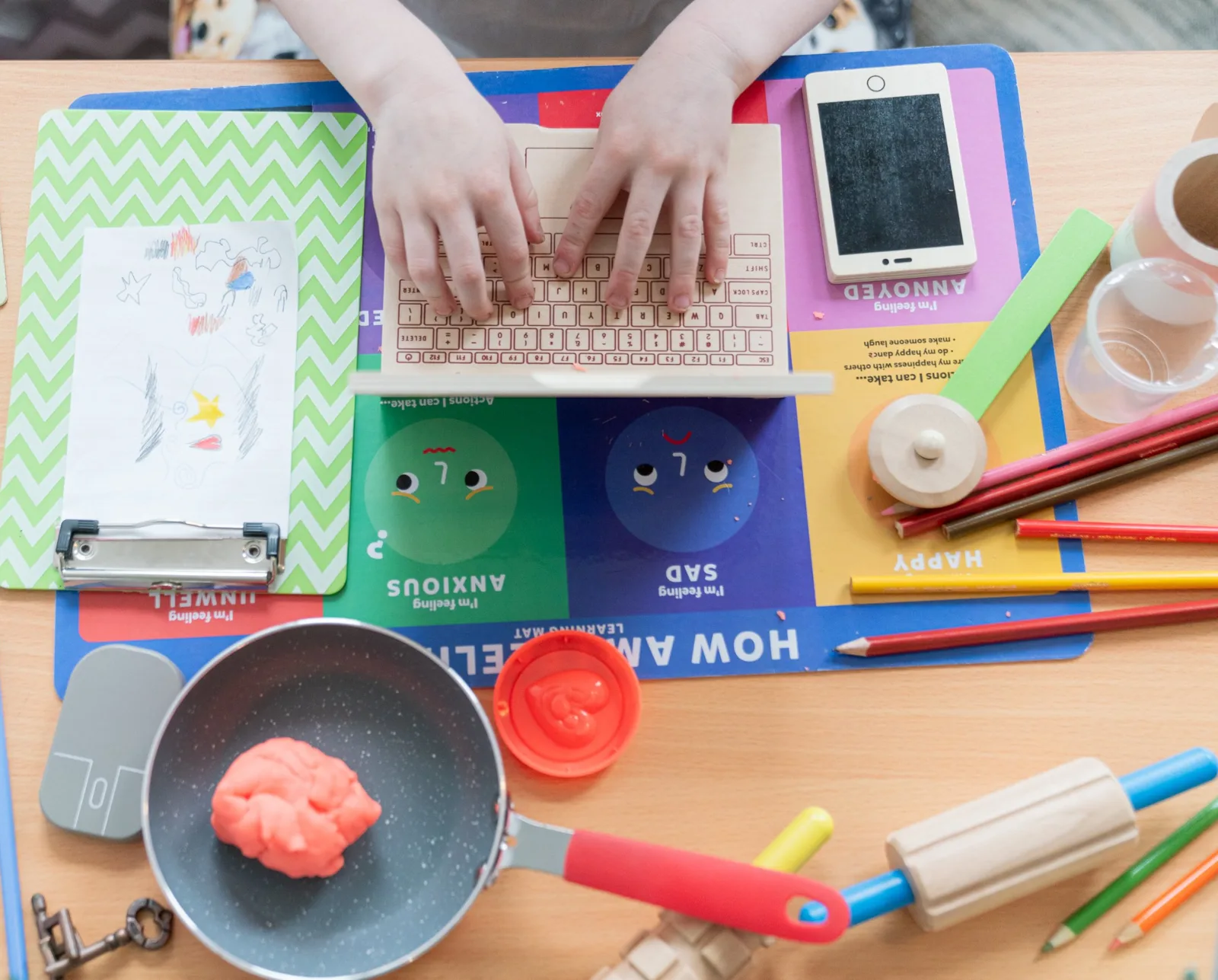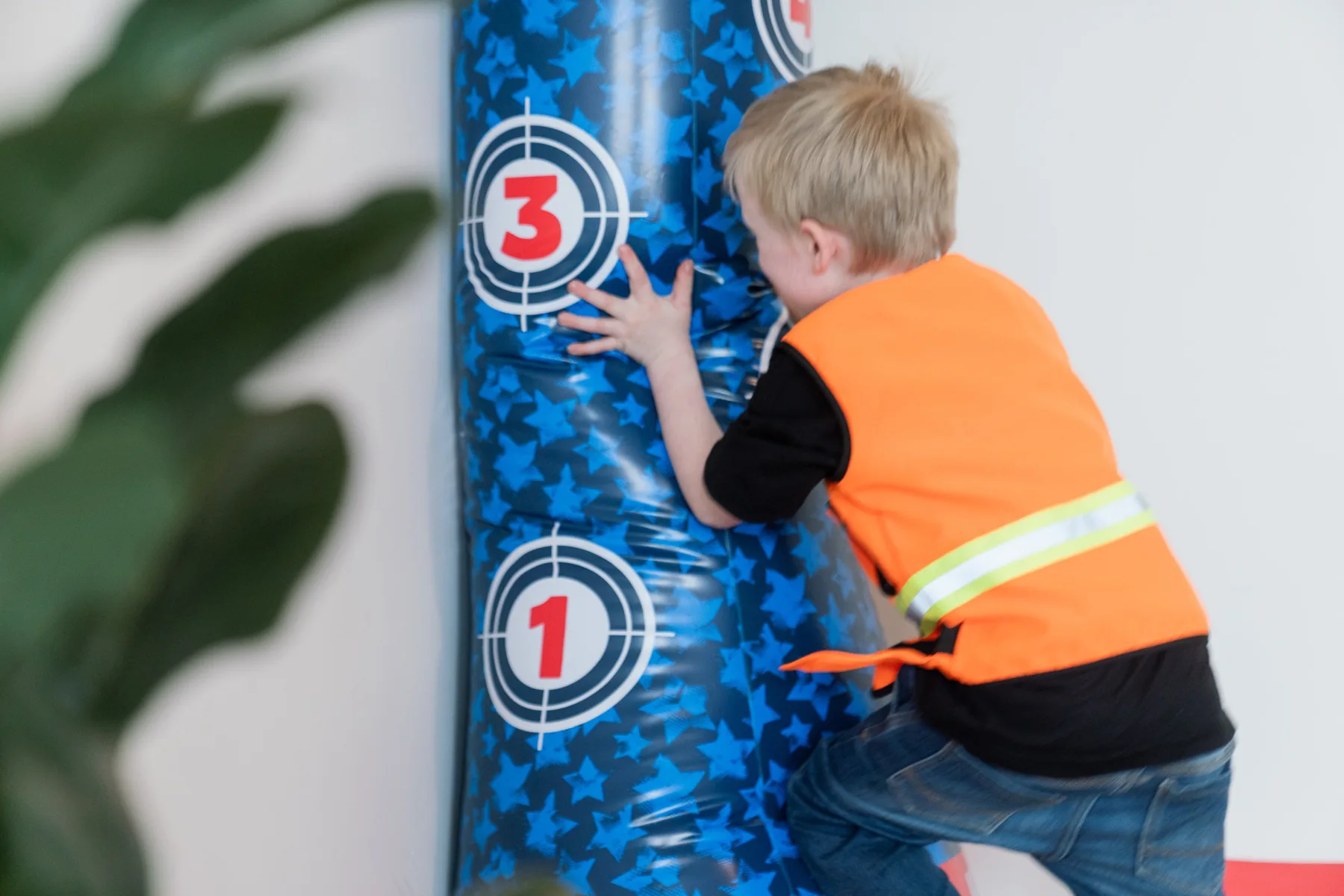
Meltdowns and big feelings are hard for children and for the adults who love them. A meltdown is not a choice or a tantrum to win. It is a sign that a child’s nervous system is overwhelmed. The goal in the moment is safety and calm, not teaching a lesson.
During a meltdown
- Stay close and calm. Your calm helps their body settle
- Use very few words, spoken slowly and quietly
- Reduce noise, light, people and demands
- Keep everyone safe by moving objects or siblings, not by holding the child unless there is serious danger
- Offer comfort they usually like: a quiet space, deep pressure, a favourite item
- Wait. Recovery takes longer than the meltdown
After things settle
Give time to recover before talking it through. Reconnect first with a hug, a drink or a quiet activity together. Later, when everyone is calm, you can gently notice what happened and what might help next time.
Looking for patterns
Over the following days, notice what was happening beforehand. Was your child tired, hungry, unwell, overstimulated or facing a change? Short notes help you and your practitioner see patterns and plan ahead.
Preventing distress building
- Predictable routines and visual schedules
- Warnings before transitions
- Breaks before things get too hard
- Sensory supports that suit your child
- Ways to say “stop” or “help” without words
Look after yourself too
Supporting a child in distress is exhausting. It is not a sign you are doing something wrong. Support for parents is part of good behaviour support, and you don’t have to wait until things feel unmanageable to ask for it.
This guide is general information only. It is not medical or legal advice. Talk with us about your situation.